What to Expect on a Corpus Christi Fishing Charter

 Published: Nov 26, 2026
 7 min read
Summary
A first-timer's walkthrough of a guided inshore fishing trip in Corpus Christi with Capt. Traci Rhodes, covering the day from meeting up to heading back, plus what her trip styles offer.
If you have never booked a guided fishing trip before, the whole thing can feel like a bit of a mystery. Where do you show up? Do you need your own gear? What happens if the fish are not biting? A Corpus Christi fishing charter takes most of that guesswork off your plate, and knowing how the day runs makes it easier to relax and enjoy it. Here is a walkthrough of what a guided inshore day looks like with Capt. Traci Rhodes, from the first message to the ride back.
Before the Trip: Picking the Right Kind of Day
Start by deciding what you want out of the day. Some people want a relaxed outing where the guide handles everything and they just fish. Others want to pick up skills they can use on their own boat later. Capt. Traci Rhodes Guide Service offers trip styles that cover both, so it helps to read the options and match one to your group before you reach out.
Her rate cards spell out the different approaches. One trip puts you aboard a spacious Majek bay boat built for shallow-water fishing and focuses on prize Texas gamefish. Another heads for trophy trout along the King Ranch shoreline, which saves you a long drive. If you want the whole day on the water with family or friends, there is an all-day waterway journey built around making coastal memories together. Two more are aimed at learning: one for refining precision tactics on Texas gamefish, and one for hands-on skills during an unhurried coastal trip. Pick the one that sounds like your day, and ask Traci anything you are unsure about before you book.
Families are warmly welcomed, so you do not need to be an experienced angler to come along. If you are bringing kids or a mixed-skill group, mention that when you get in touch. It helps the guide plan the day around the people actually in the boat.
Meeting Up and Getting Started
On the morning of your trip, you meet your guide, get introduced to the boat, and run through how the day will go. This is the time to say what you hope to catch, how much fishing experience your group has, and whether anyone would rather take it slow. A good guide uses that conversation to shape the day, so speak up. There are no silly questions at the dock.
Once everyone is aboard, you head out to the water. Inshore fishing means you stay in the bays and along the shoreline rather than running far offshore, which keeps the ride shorter and puts you in the shallow water where many of the area's gamefish live. A shallow-water bay boat suits that kind of fishing well because it gets you close to the spots that matter.
How a Guided Fishing Day Works on the Water
This is where a guide earns the fee. Instead of guessing where to stop, you fish places chosen for that day's conditions. Capt. Traci has a lot of experience on these waters, and conditions change from one day to the next. Wind, tide and water movement all shape where fish sit and how they feed. Your guide reads those signs and moves the boat when the bite changes.
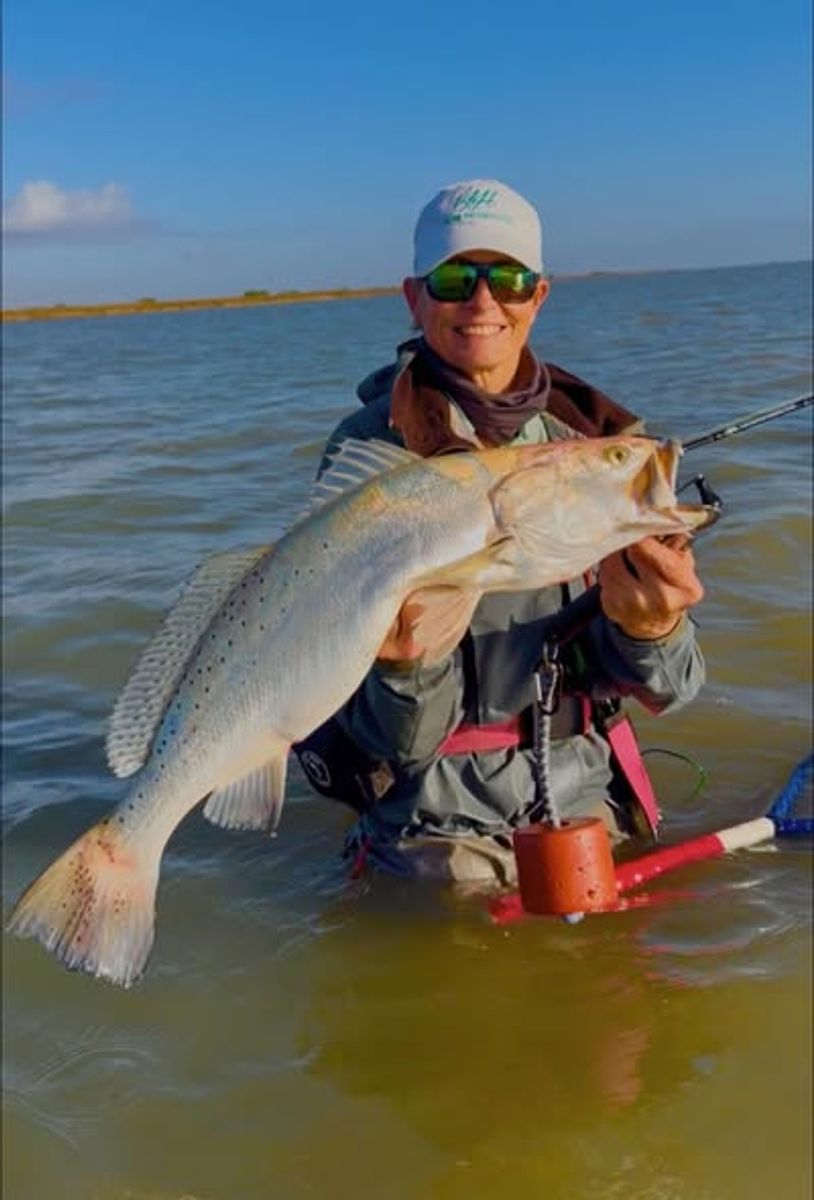
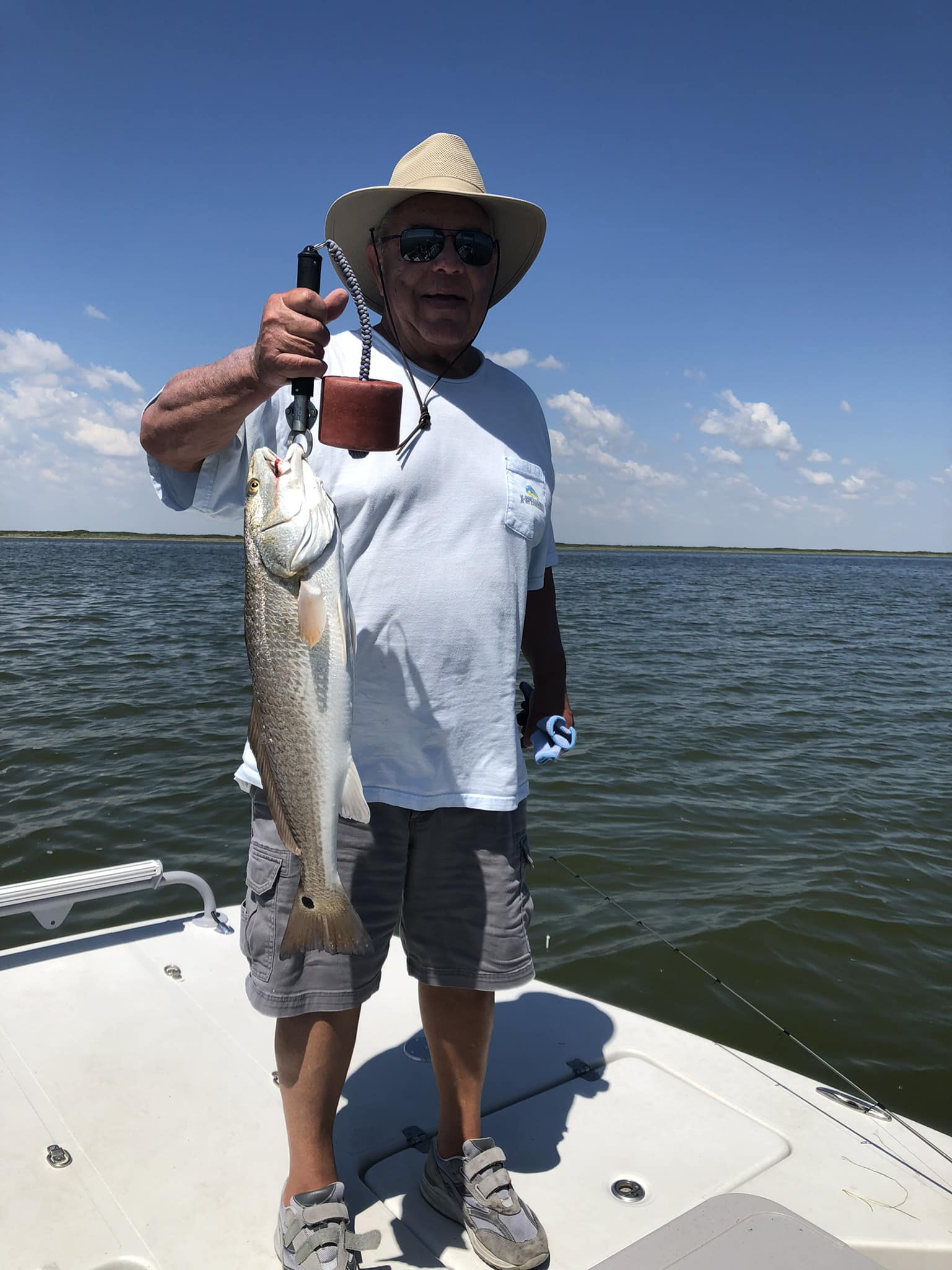
Depending on the day, your catch might include black drum, flounder, speckled trout, sheepshead, redfish and more. That range is part of what makes inshore fishing so enjoyable. You are not locked into chasing one fish all day, and a quiet spot can turn into a busy one after a short move.
Techniques vary too. Your day can include spinning and popping, drifting, or bottom fishing, and there are more specialized methods unique to the area. The guide picks the approach to suit the fish and the water, then shows you how to do it. If you are a beginner, expect plain instruction and patience. If you already fish, the precision-focused and skills-focused trips give you room to sharpen your game with someone watching and helping in real time.
- Tell your guide your experience level at the start so the day fits you.
- Ask why the boat is moving to a new spot. The answer teaches you how to read the water.
- Try the technique being used, even if it is new to you.
- Let the guide handle the hard parts, like positioning and rigging, while you focus on fishing.
Picking a Trip Length and Style
The right length depends on who is coming. An all-day trip suits a group that wants to stay out, try different spots and techniques, and make a full day of it. The unhurried coastal trips are built for people who want to learn without feeling rushed, which is a big help if you are new to saltwater fishing.
Think about your group honestly. A mixed crowd with kids may enjoy a day with room to spread out and a relaxed pace. An experienced angler who wants to improve may prefer a trip centered on tactics. Matching the trip to the people is the best thing you can do to get a good day out of it.
Heading Back In
When the fishing wraps up, you head back to the dock with the day behind you. This is a good moment to ask your guide for tips you can use next time, such as what worked, what to try differently, and what a good setup looks like. Guides see a lot of days on the water, and a few minutes of conversation can teach you more than hours of reading.
Most people leave a first charter surprised by how much they picked up. You come back with a better feel for how inshore fishing works and a clearer idea of what you want from your next trip. If you are ready to try it, get in touch with Capt. Traci Rhodes Guide Service, pick the trip style that fits your group, and plan your first Corpus Christi charter.
